Maintaining indoor air quality in winter is essential for comfort, health, and the efficiency of your heating installation in RI. As homes are sealed tight to conserve heat, pollutants, allergens, and moisture can accumulate, leading to respiratory discomfort and other health issues. Here’s how you can optimize ventilation, humidity, and filtration to keep your indoor environment healthy all winter long.
Why Indoor Air Quality Declines in Winter
When temperatures drop, most homes reduce natural ventilation by keeping windows and doors closed. This traps indoor pollutants—such as dust, pet dander, and volatile organic compounds (VOCs)—and can lead to dry air or excess humidity, both of which negatively impact health and comfort.
Ventilation: Bringing in Fresh Air Without Losing Heat
- Strategic Ventilation: Open windows for 5–10 minutes a few times a day, especially in kitchens and bathrooms where pollutants accumulate. This brief airing helps dilute indoor contaminants without a significant drop in temperature.
- Exhaust Fans: Use bathroom and kitchen exhaust fans during and after activities that generate moisture or odors. Run bathroom fans for about 45 minutes after showers to remove excess humidity and prevent mold growth.
- Energy Recovery Ventilators (ERVs) & Heat Recovery Ventilators (HRVs): These systems exchange stale indoor air for fresh outdoor air while retaining most of the heat, making them ideal for winter ventilation. They also help manage humidity and energy efficiency.
Humidity: Finding the Right Balance
- Optimal Humidity Levels: Aim for indoor humidity between 30–50%. Air that’s too dry can cause respiratory irritation, dry skin, and static electricity, while excess humidity promotes mold and dust mites.
- Humidifiers: Adding a whole-home or portable humidifier can alleviate dryness, making your home feel warmer and more comfortable.
- Dehumidifiers: In areas prone to moisture, such as basements, use dehumidifiers to prevent mold and maintain balanced humidity.
- Monitor & Adjust: Use a hygrometer to monitor humidity and adjust your systems as needed for optimal comfort and air quality.
Filtration: Upgrading Your HVAC for Cleaner Air
- High-Efficiency Filters: Upgrade your HVAC system with high-efficiency filters (such as HEPA or filters with a high MERV rating). These capture fine particles, allergens, and dust, improving air quality and protecting your heating installation in RI from debris buildup.
- Change Filters Regularly: Replace filters every 1–3 months, or as recommended by the manufacturer, to ensure maximum efficiency and clean airflow.
- Whole-Home Air Purifiers: Consider integrating a whole-home air purifier with your HVAC system for comprehensive air cleaning throughout your living space.
Additional Tips for Healthier Winter Air
- Keep Your Home Clean: Regularly dust, vacuum, and clean surfaces to minimize indoor pollutants.
- Choose Low-VOC Products: Opt for paints, cleaning supplies, and building materials that emit fewer chemicals.
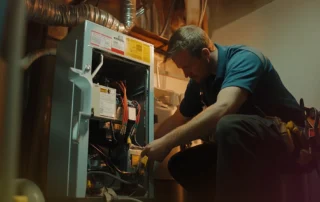
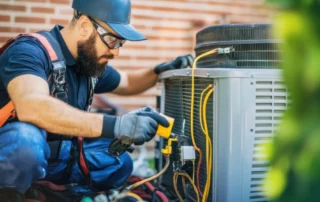
- Proper Heating System Maintenance: Schedule regular maintenance for your heating system in RI to ensure optimal performance and air quality.
- Ceiling Fans: Set ceiling fans to rotate clockwise at low speed to distribute warm air evenly and prevent air stagnation.
Why Professional Help Matters
A well-maintained HVAC system is the backbone of winter indoor air quality. Professional heating installation RI services, like those from Air Tech Pro, ensure your system is optimized for ventilation, humidity control, and filtration, keeping your home comfortable and healthy all season long.
Ready to breathe easier this winter? Contact Air Tech Pro for expert heating installation in RI and indoor air quality solutions.
Related Posts


Air Tech Pro HVAC Proudly Services All Makes And Models Of HVAC Equipment Including
Mitsubishi and Bryant